
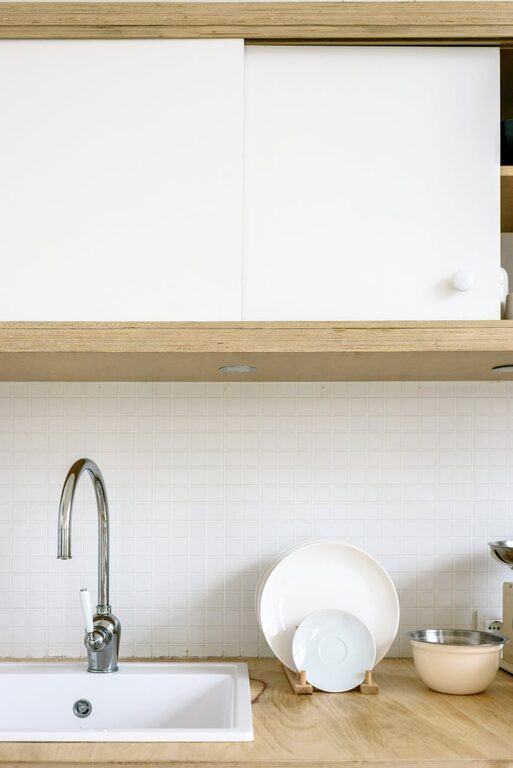
Having a clean and clutter-free kitchen counter not only makes your cooking space look inviting but also improves functionality and reduces stress. Kitchen counters are often the most used surfaces in a home, making them prone to collecting unnecessary items over time. If you’ve been struggling with countertop clutter, don’t worry—this guide will walk you through practical steps to create a tidy and efficient kitchen workspace.
Why Keep Kitchen Counters Clutter-Free?
Before diving into strategies, it’s helpful to understand the benefits of a clutter-free kitchen counter:
– Improved efficiency: More space to prep meals.
– Easier cleaning: Less to move or dust around.
– Aesthetics: A neat kitchen looks more welcoming.
– Safer environment: Reduces risk of accidents with knives or hot pans.
Now, let’s explore how to achieve this.
Step 1: Assess Your Current Countertop Situation
Begin by evaluating what’s currently on your kitchen counters.
– Remove everything and wipe surfaces clean.
– Sort items into three categories: keep, relocate, discard.
– Ask yourself if the item is used daily or simply decorating.
– Keep only essentials on the counter.
This initial purge simplifies what you’re dealing with.
Step 2: Maximize Storage Solutions
Many countertop items find their way there because there is no proper storage available.
Use Drawer Organizers
Place utensils, cutlery, and small tools in drawer organizers for easy access without cluttering counters.
Install Wall Shelves or Racks
Shelves free up counter space by offering vertical storage for spices, cookbooks, or decorative jars.
Utilize Cabinet Doors
Add hooks or small racks to the inside of cabinet doors for items like measuring spoons or pot lids.
Invest in Appliance Garages
Appliance garages hide small machines such as toasters or coffee makers behind cabinet-style doors, keeping counters clear.
Step 3: Keep Only Daily-Use Appliances on the Counter
Some kitchen gadgets are used multiple times per day—these can stay out for convenience.
Examples:
– Coffee maker
– Electric kettle
– Knife block
Store less frequently used appliances inside cabinets or pantry.
Step 4: Organize and Contain Small Items
Small, loose items can quickly create clutter.
– Use decorative trays or baskets to group items like salt, pepper, and oil bottles.
– Clear jars or containers keep frequently used ingredients handy but tidy.
– Label containers for easy identification.
Grouping prevents scattered mess and makes cleaning faster.
Step 5: Create a Dedicated Prep Zone
Designate a section of your counter purely for food preparation.
– Keep this area free of non-essential items.
– Store knives, cutting boards, and mixing bowls nearby.
– This setup streamlines cooking tasks and minimizes clutter overflow.
Step 6: Implement Regular Maintenance Habits
Keeping counters clutter-free is easier when done consistently.
– Spend 5 minutes at the end of each day to put items back in place.
– Avoid stacking mail or papers on counters; use a wall-mounted organizer.
– Reassess frequently used items every few months and relocate as needed.
Consistency prevents clutter buildup over time.
Bonus Tips
– Use countertop baskets: Great for corraling fruit or frequently grabbed snacks.
– Go cordless: Cordless appliances cut down on tangled cables visible on counters.
– Limit decorative items: One or two tasteful pieces can enhance decor but avoid overcrowding.
Conclusion
A clutter-free kitchen counter is all about mindful organization and intentional storage. By removing unnecessary items, maximizing your available storage, and maintaining daily habits, you can transform your countertop into a space that is both beautiful and practical. Start small, be consistent, and enjoy the calming effect of a tidy kitchen!
Happy organizing!