
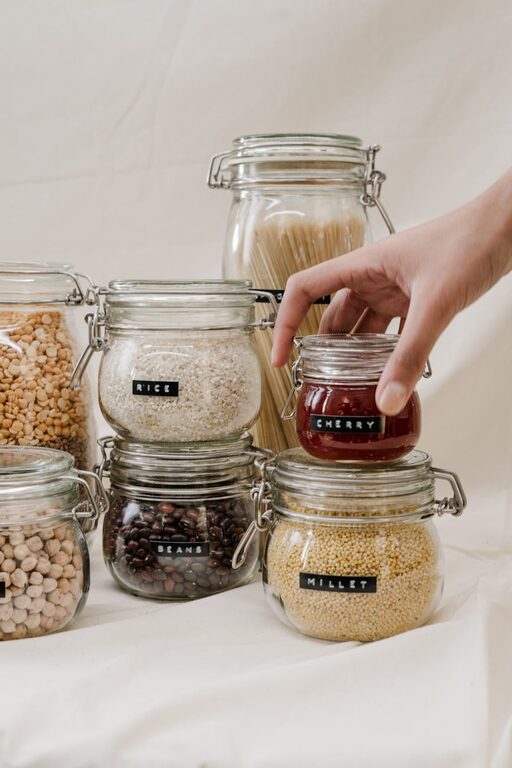
When life gets busy, meal planning can feel overwhelming. But with a well-stocked pantry and a little organization, you can create tasty, nutritious meals without constantly running to the store. Pantry staples—those reliable ingredients you keep on hand—are the perfect foundation for quick and affordable cooking.
In this post, we’ll explore how to plan meals from pantry staples effectively. You’ll learn how to take stock, plan balanced meals, get creative with recipes, and shop smartly to keep your pantry stocked. Let’s get started!
What Are Pantry Staples?
Pantry staples are essential non-perishable ingredients that form the basis of many meals. Common staples include:
– Grains: rice, pasta, quinoa, oats
– Canned goods: beans, tomatoes, tuna, coconut milk
– Baking essentials: flour, sugar, baking powder, yeast
– Cooking oils and vinegars: olive oil, vegetable oil, apple cider vinegar
– Spices and herbs: salt, pepper, garlic powder, dried oregano, chili flakes
– Other basics: broth or stock cubes, nut butters, peanut butter, canned vegetables
Having these items on hand means you can whip up a variety of meals without last-minute store trips.
Step 1: Take Inventory of Your Pantry
Before planning meals, start by taking a thorough inventory of your pantry staples. Here’s a simple way to do it:
– Empty your pantry shelves: Lay everything out on a table or countertop.
– Group similar items: Categorize by grains, canned goods, condiments, spices, etc.
– Check expiration dates: Toss anything expired or stale.
– Make a list: Write down what you have in sufficient quantity and what’s running low.
Knowing exactly what you have makes meal planning more straightforward and helps reduce food waste.
Step 2: Plan Balanced Meals Around Staples
Pantry staples provide the base for countless nutritious dishes. To build well-rounded meals, include these components:
– Protein: canned beans, lentils, tuna, nut butters
– Carbohydrates: rice, pasta, potatoes, oats
– Vegetables: canned tomatoes, frozen vegetables, or fresh produce when available
– Healthy fats: olive oil, nuts, seeds
When planning meals, aim for a combination of these to keep dishes satisfying and nutritious.
Step 3: Use Meal Planning Techniques
Here are some effective meal planning methods to utilize your pantry staples:
Batch Cooking and Freezing
Make a large batch of a staple-based dish, like chili or stew, and freeze portions for later. This saves time on busy days.
Theme Nights
Assign different meal themes to days, such as:
– Meatless Monday: bean chili or pasta with tomato sauce
– Taco Tuesday: rice and beans with canned corn and spices
– Soup Sunday: lentil or vegetable soup using broth cubes and canned veggies
Themes help add variety and simplify planning.
Mix and Match Ingredients
Create a list of staples that work well together and rotate through different combinations. For example, mix canned black beans with rice and salsa one day, then use chickpeas, pasta, and olive oil the next.
Step 4: Get Creative with Staple-Based Recipes
Here are a few easy recipe ideas using common pantry staples:
One-Pot Tomato and Bean Pasta
Ingredients: pasta, canned beans, canned tomatoes, garlic powder, olive oil, dried oregano
Method: Cook pasta according to package instructions. In a separate pan, sauté canned beans and tomatoes with olive oil and spices. Combine with pasta for a quick, hearty meal.
Chickpea Curry
Ingredients: canned chickpeas, coconut milk, curry powder, canned tomatoes, rice
Method: Simmer canned chickpeas in coconut milk and tomatoes with curry powder. Serve over rice for a flavorful and filling dish.
Oatmeal Energy Balls
Ingredients: oats, peanut butter, honey, dried fruit, nuts (optional)
Method: Combine ingredients, roll into balls, and refrigerate. Perfect for a quick snack.
Step 5: Maintain and Replenish Your Pantry
To keep your meal planning running smoothly:
– Restock essentials regularly: Create a shopping list based on your inventory and commonly used items.
– Organize your pantry: Use clear containers or labels to make it easy to see what you have.
– Rotate stock: Place new items behind older ones to use up older staples first.
– Adjust based on meals: As you try new recipes, add necessary staples to your shopping list.
Benefits of Planning Meals from Pantry Staples
Planning meals with pantry staples offers several advantages:
– Saves time: Reduce frequent grocery trips and meal prep stress.
– Reduces food waste: Use what you already have, minimizing expired items.
– Saves money: Buy staples in bulk and avoid impulse purchases.
– Encourages creativity: Challenge yourself to try new recipes with familiar ingredients.
– Promotes healthier eating: Control what goes into your meals.
Final Tips
– Keep a running list of recipe ideas that use your pantry staples.
– Pair pantry staples with fresh produce when possible to enhance nutrition.
– Don’t hesitate to customize recipes to suit your taste.
– Use online resources or apps designed for pantry-based meal planning.
– Involve family members in planning and cooking for added enjoyment.
With these strategies, your pantry can become your best kitchen companion, making meal prep easier, quicker, and more enjoyable. Happy cooking!